Work
Answers with a budget attached.
We are commissioned when a decision is consequential, the data is imperfect, and someone will audit the reasoning later. These are the engagements we can describe publicly.
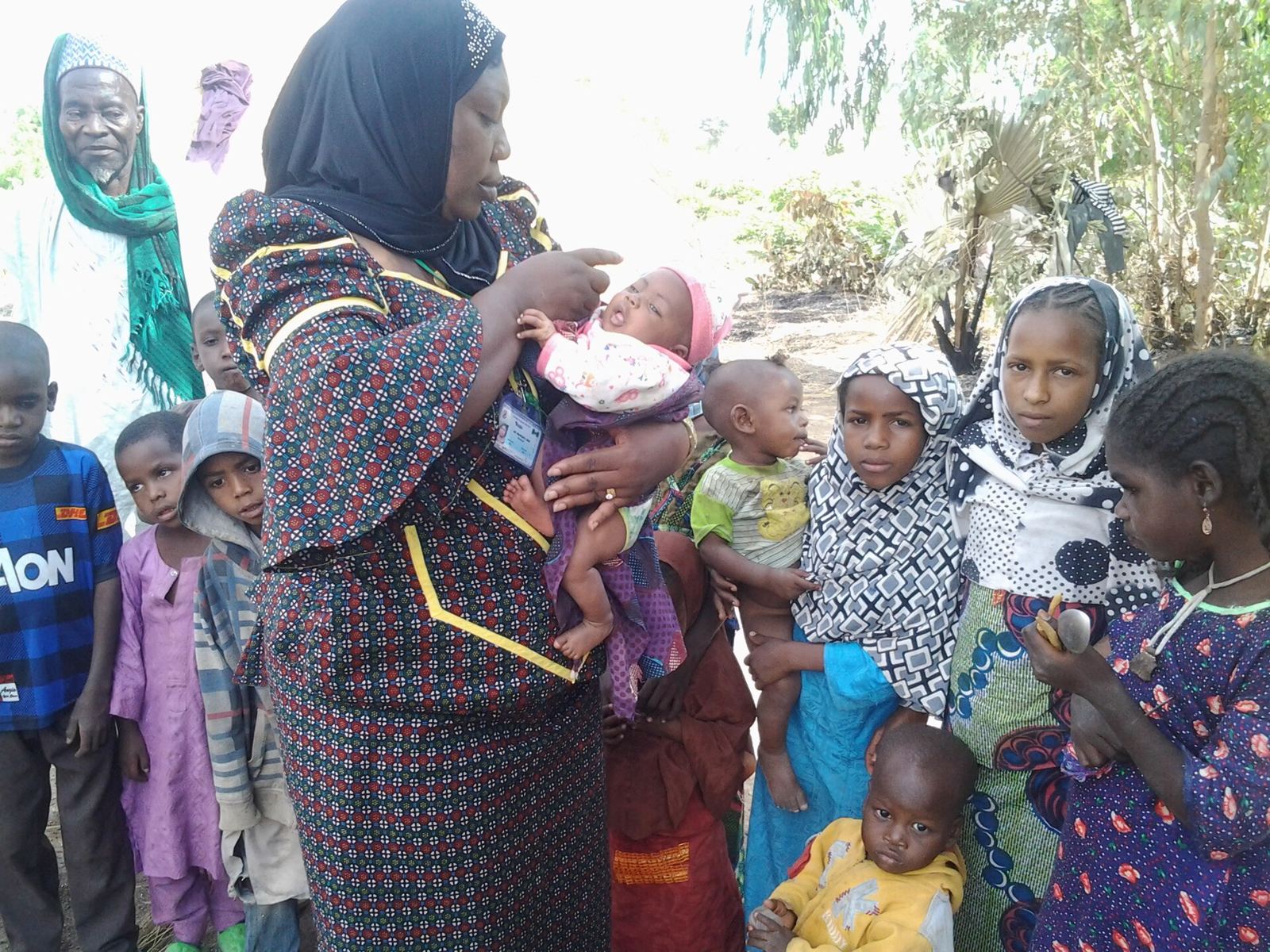
Zero-dose children, Nigeria
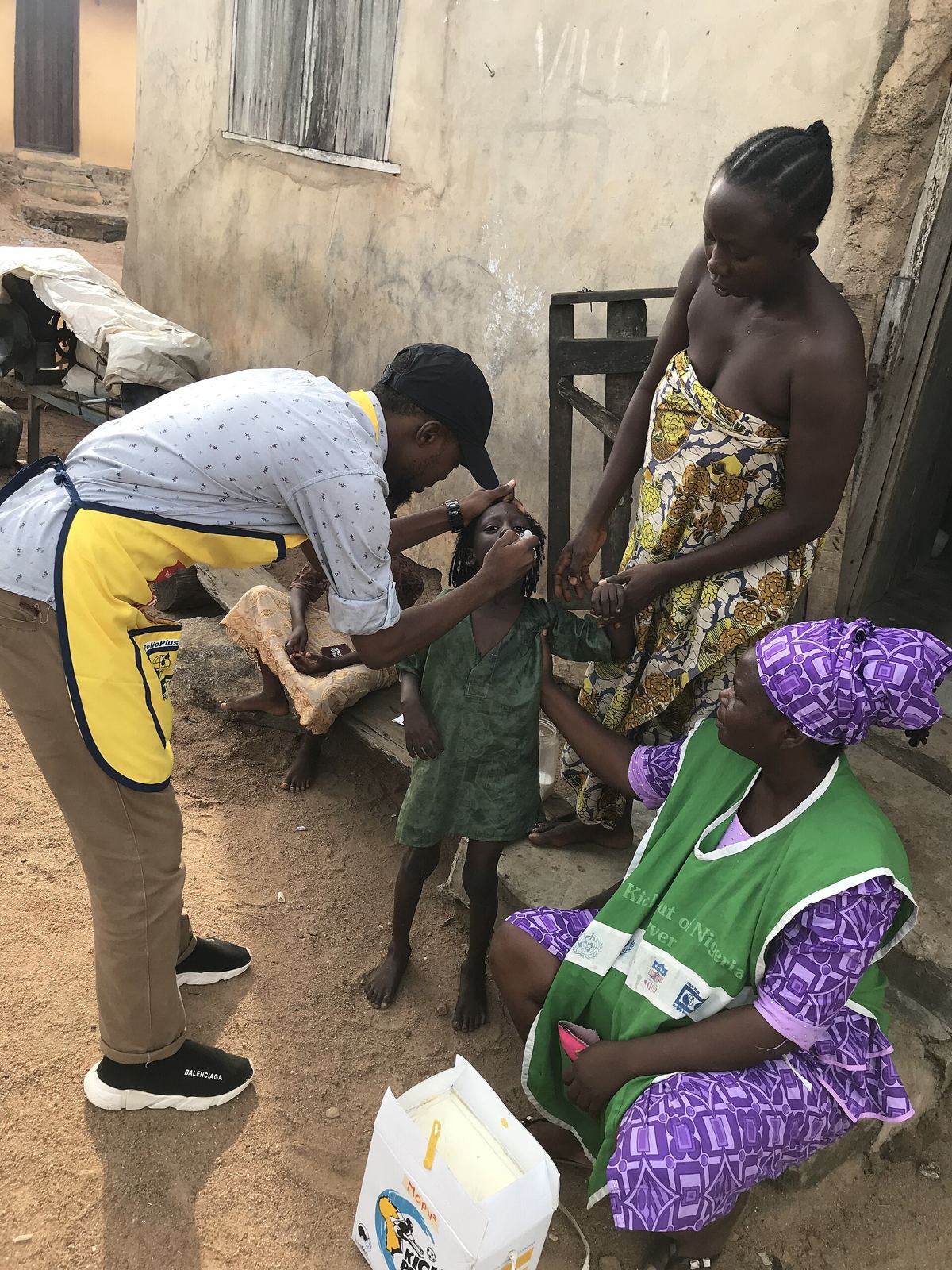
Nigeria's first national predictive model of zero-dose children, built for the National Primary Health Care Development Agency with UNICEF and Gavi from January to July 2026, for every local government area. It was handed over as a platform the agency runs, with ZARA, its plain-language analyst.
The findings will be released shortly, and the full study will appear here at that point.
Selected engagements
Global health first: immunisation, HIV and epidemic response, from national programmes to multi-country analytics.
Integrated health analytics
An integrated framework across maternal, newborn and child health, HIV, immunisation and nutrition, tracking 27 harmonised indicators in 8,871 health facilities from national DHIS2 extraction to multilevel analysis and decision dashboards. Multilevel models separated facility, district and national contributions to inequity, with CUSUM early warning on monthly series and a fourteen-dimension data-quality tool.
The same pipeline, indicator definitions and data-quality checks are reusable by country teams and extendable to other AHEAD countries, and the subnational briefs are written for programme managers rather than statisticians: where gaps are widest, how certain the estimate is, and which level of the system the gap sits at.
Quality metrics and geospatial targeting
Technical direction of quality metrics, analysis and scientific reporting across the Philippines, Nigeria, Tanzania, Kenya and Uganda. Geospatial targeting with geographically weighted regression and empirical Bayesian kriging redirected effort toward high-yield areas in Tanzania and raised service uptake by about 15%. Classification models for case finding reached 93% accuracy.
To show where prevention should differ, we screened 49 candidate variables from the 2022–23 Tanzania HIV Impact Survey and the 2022 Tanzania DHS across all 31 regions with three Lasso models (cross-validated, minimum-BIC and adaptive), then mapped each driver with geographically weighted regression (adjusted R² 0.784). The drivers were regional: men's alcohol use in the north-east, women's primary education in the south-east, and women receiving their HIV test results in the south-west. The result was region-specific prevention and case-finding priorities rather than one national package.
A $15 million cooperative agreement
Activity Manager and data scientist across more than thirty implementing organisations. A twelve-year retrospective cohort of 497,620 patients was analysed with survival analysis, competing-risks methods and unsupervised clustering to characterise attrition and loss to follow-up. Data validation standards designed here were adopted nationally; data-quality reporting improved by 30% and analytical cycle time fell by 25%.
HIV testing-yield forecasting
EvidenceLab Program Forecast Studio turns routine PEPFAR programme reports into country-led case-finding plans. It forecasts HIV testing yield one to four quarters ahead for every reporting unit, age band and sex in 29 sub-Saharan African countries, explains each forecast with exact SHAP values, and converts it into the testing volume needed to reach a target number of positive results.
Developed on 87,946 records from 296 reporting units, 2020 to 2024. Four-quarter forecast error is 20% lower than carrying the last quarter forward, and the published model card says plainly that one quarter ahead it is no better.
Paediatric HIV hotspots in Kenya
Machine learning and geostatistical analysis to locate paediatric HIV hotspots for better-targeted case finding.
Forecasting inequity in paediatric HIV treatment
The first spatial-temporal, state-specific Bayesian projections of paediatric HIV seroprevalence and unmet antiretroviral therapy need in Nigeria, for children aged 0 to 9, from 2025 to 2030. A hierarchical Beta regression combined PEPFAR programme data with Demographic and Health Survey indicators (antenatal care coverage, skilled birth attendance, under-five mortality and paediatric ART uptake), with clean convergence: R-hat 1.00, effective sample size above 1,000 and no divergences.
National averages hide the gaps. Even with ART coverage assumed to expand by 5% a year, unmet treatment need stays concentrated in a few states, notably Anambra and Bauchi, and southern states such as Ebonyi and Anambra keep the highest projected seroprevalence. The projections show where PMTCT and paediatric ART scale-up should come first.
Record deduplication for ART cohorts
Three machine-learning models to deduplicate antiretroviral therapy records, reducing redundancy by about 25%, delivered with a two-day workshop so the team could maintain and retrain them.
AI safety evaluation for healthcare
AlignInsight: keyword filtering missed 83% of high-risk outputs from large language models in ten healthcare domains; semantic analysis reached full detection with perfect expert concordance.

Considering an engagement
Considering an engagement? Tell us the decision first.
We will say early and plainly whether the available data can support the question you want answered.