Predictive evidence
for immunisation.

Bayesian, geospatial and AI decision systems for immunisation, HIV and epidemic response, built to research standards and handed over to the teams who use them.

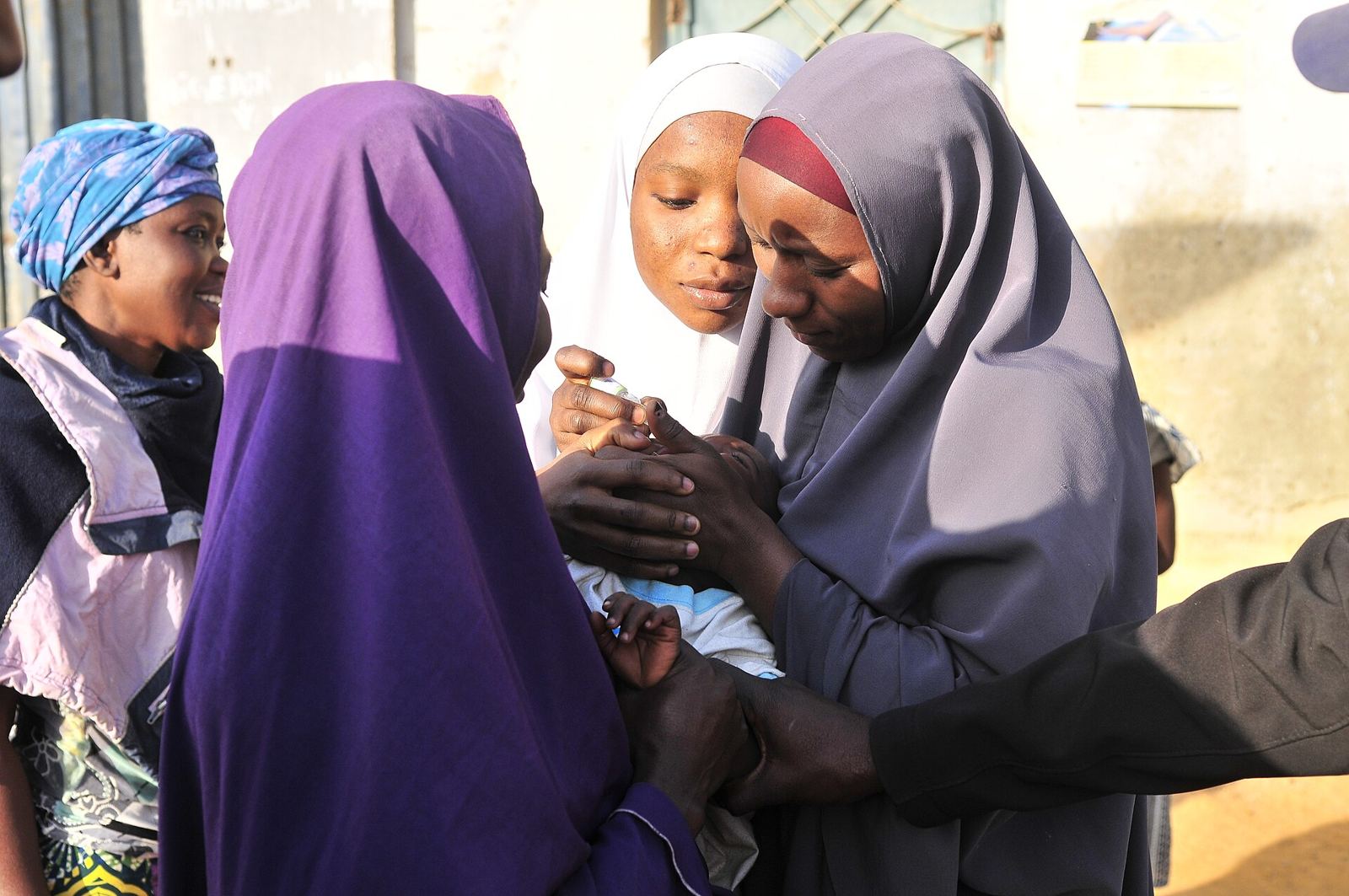
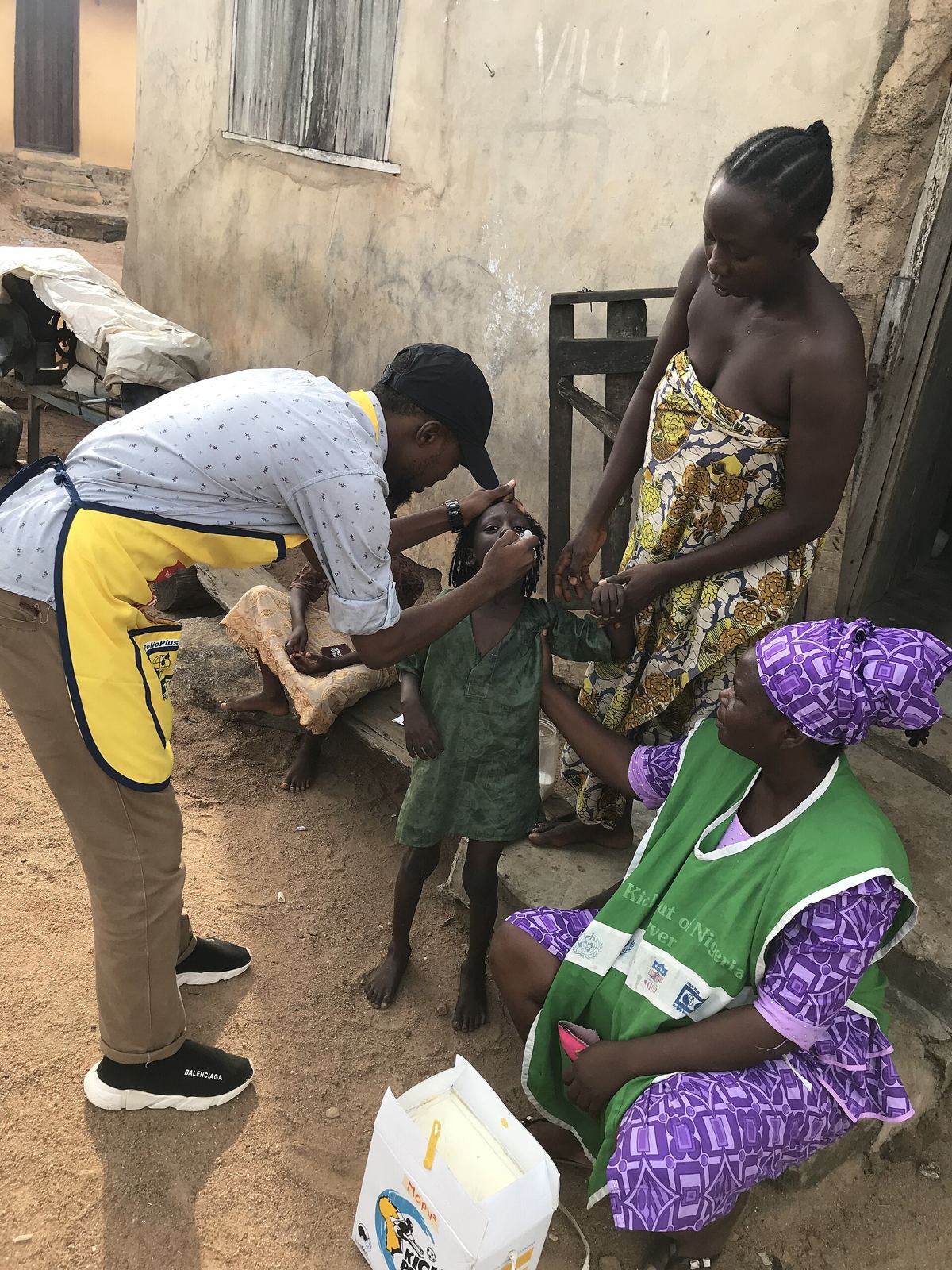
A health worker gives oral polio vaccine to a child held by a woman, surrounded by children in a rural community
Oral polio vaccination in an underserved farming and pastoral community in Nigeria.

Who is missed, where, and why.

Most health data describes the past. We build the part that tells a programme what to do next, held to research standards: every estimate carries its uncertainty, every model is tested against data it never saw, and every platform is handed over.

15+

years directing evidence toward health resource decisions across sub-Saharan Africa

8,871

health facilities tracked on 27 harmonised indicators for UNICEF's AHEAD programme

497,620

people on HIV treatment in our twelve-year survival cohort in Nigeria

87,946

programme records behind our HIV testing-yield forecasts across 29 countries

Commissioned by NPHCDA, UNICEF, Gavi, USAID, PEPFAR and the Henry Jackson Foundation, with methods peer reviewed before they are deployed.

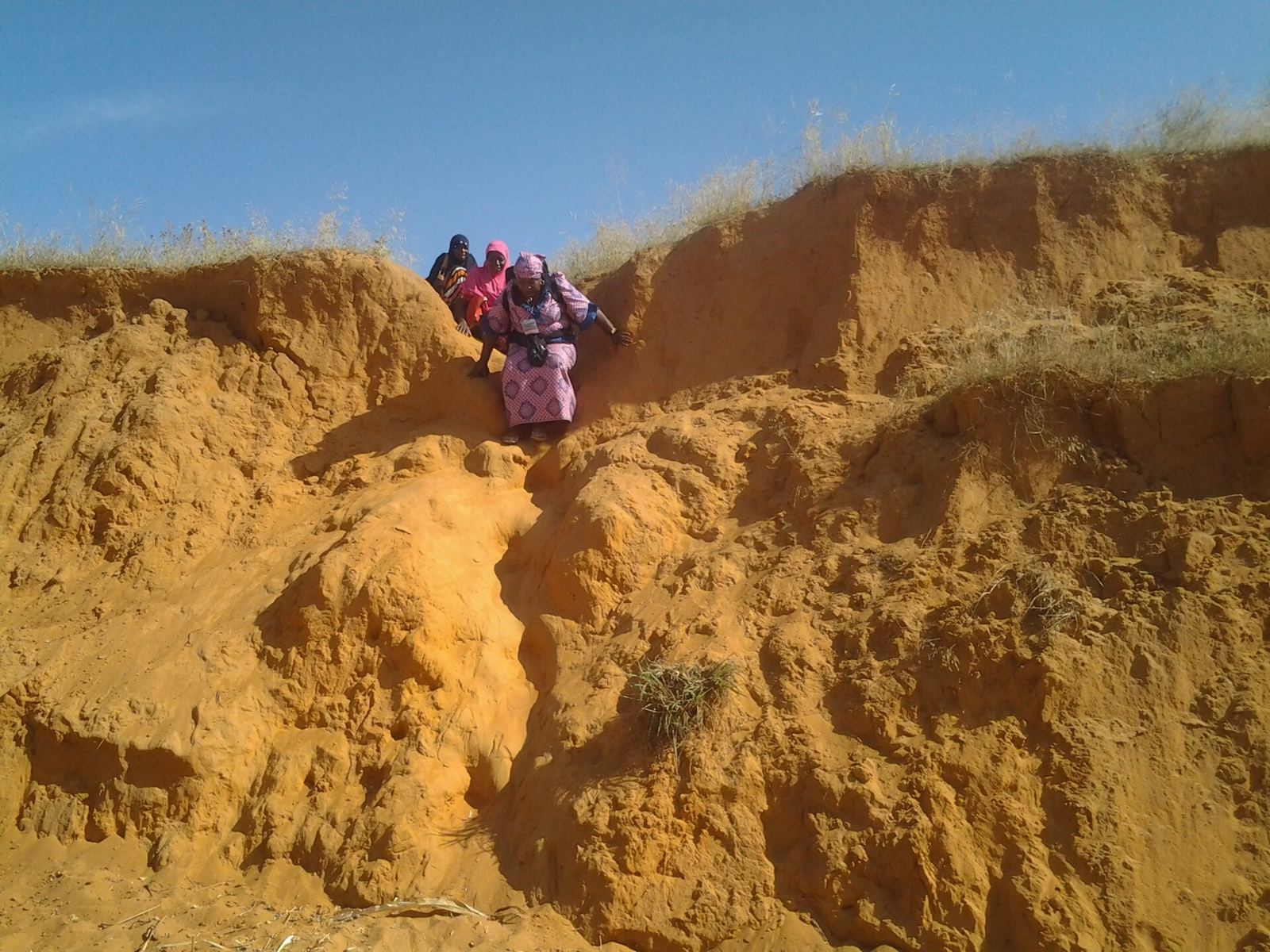
A field epidemiology resident and two data collectors climbing down a steep, eroded hillside
Field data collectors on difficult terrain.
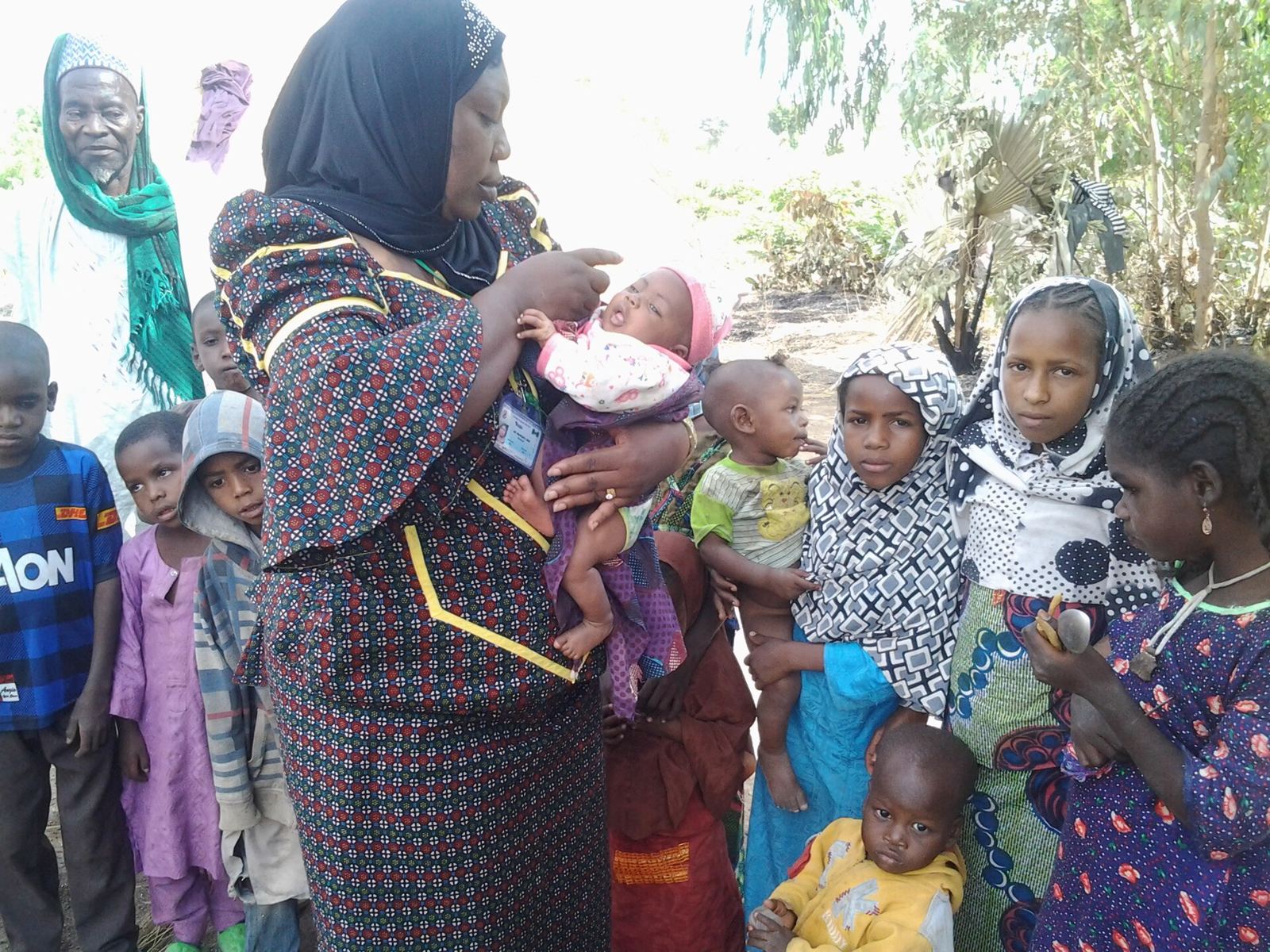
A health worker marks the finger of a vaccinated child held by its mother

A marked finger shows one child was reached.

A health worker marks the finger of a vaccinated child.

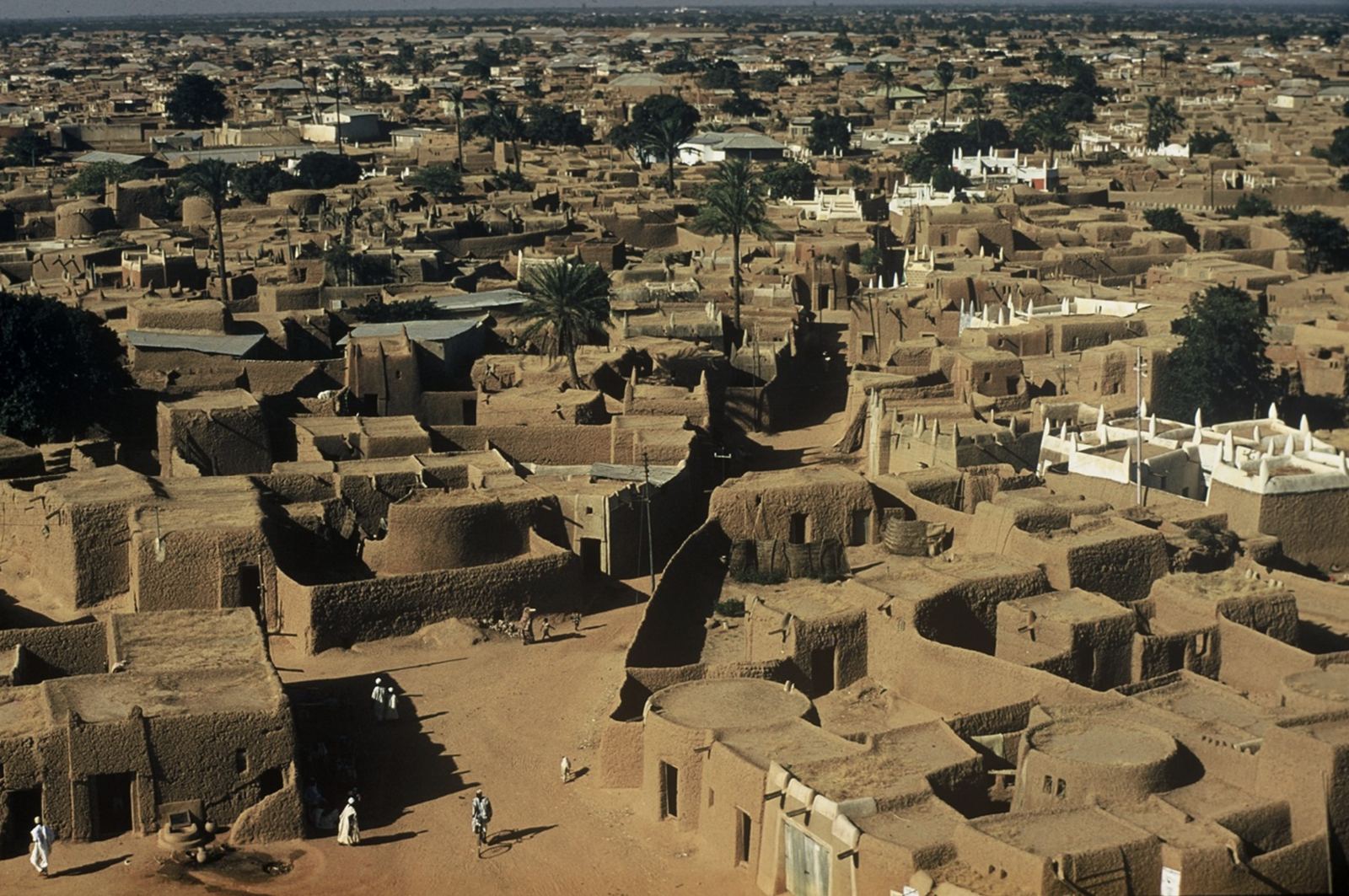
Aerial view of the old city of Kano in 1959

Our work is finding the children without one.

The old city of Kano from the air, 1959.

Every source, one model.

Routine reports, household surveys, programme records and spatial surfaces arrive with different periods, boundaries and gaps. We reconcile them to one geography, then model them in open, reproducible code that the client keeps.

  • Data we harmonise
  • Tools we build in

Drag the globe to turn it.

  • DHIS2 routine reports
  • PyMC
  • Demographic and Health Surveys
  • Stan
  • PEPFAR MER
  • R
  • UNAIDS estimates
  • Python
  • IHME surfaces
  • QGIS
  • GRID3 boundaries
  • ArcGIS Pro
  • Population surfaces
  • PostgreSQL
  • Travel time to care
  • Streamlit
  • Conflict events
  • Power BI
  • HIV impact surveys
  • Quarto
  • Patient-level cohorts
  • Google Cloud
  • AWS

Forecasting and early warning

A health worker marks the finger of a vaccinated child held by its mother

20%

lower four-quarter forecast error than a persistence baseline, in EvidenceLab Program Forecast Studio

Bayesian and Prophet time-series models forecast coverage, dropout and programme indicators with prediction intervals, and flag where delivery falls below an area's own recent level.

A flag is a decline tripwire, not a coverage figure, and we say so on every screen. Our model cards also say where a model does not beat its baseline: one quarter ahead, this one does not.

Bayesian hierarchical model

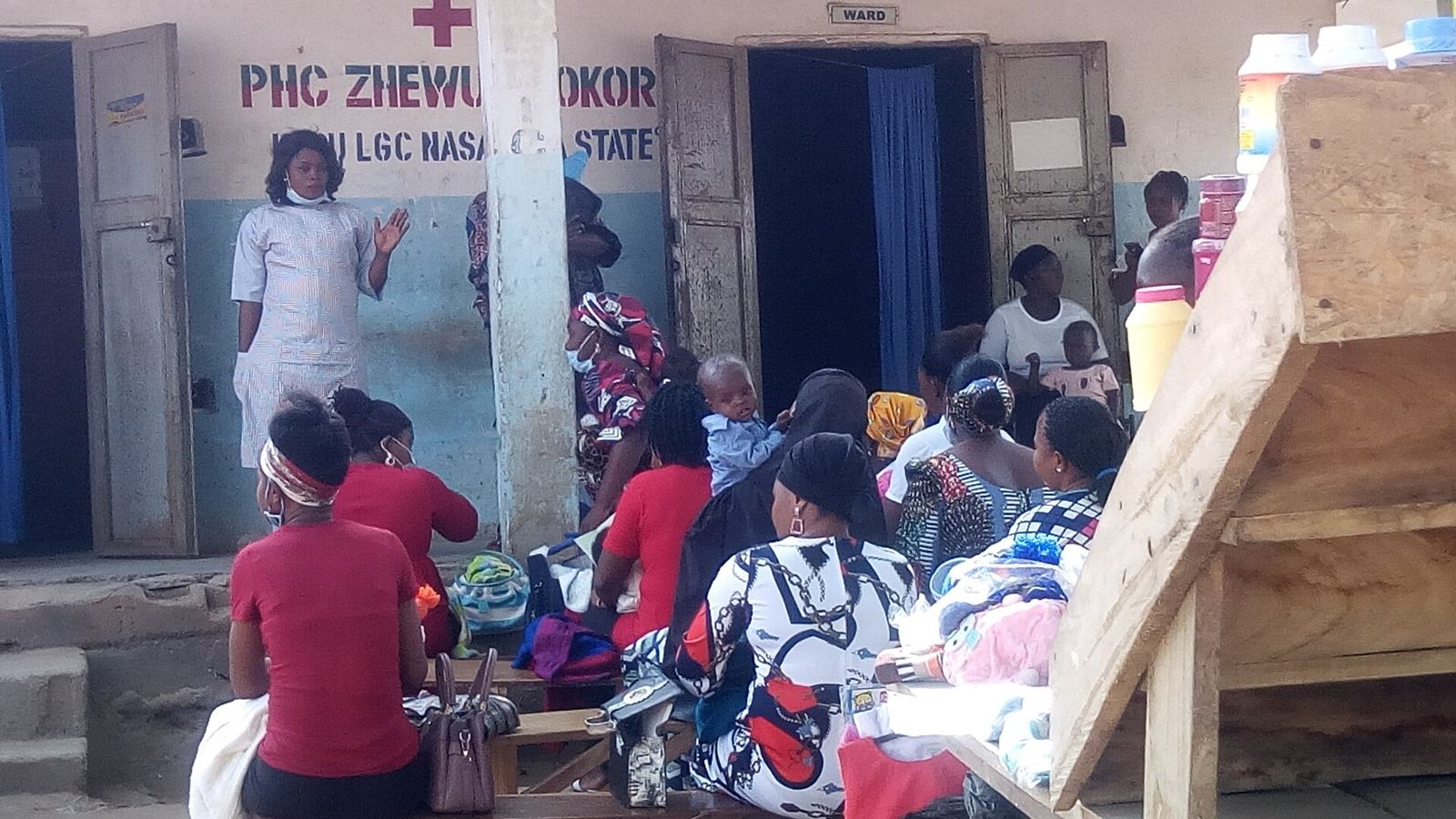
Mothers and infants seated at a primary health centre in Nasarawa State during an immunisation session

37

states, counting the Federal Capital Territory, in our Bayesian projections of paediatric HIV and unmet treatment need, 2025 to 2030

Hierarchical models let states and districts borrow strength from one another, so sparse and uneven surveys still yield stable estimates with honest intervals.

Our Bayesian estimates of HIV prevalence and burden in Nigeria, published in EClinicalMedicine, were used by the PEPFAR interagency team and the National Agency for the Control of AIDS.

Small-area estimation

The rooftops of Kano seen from Dala Hill

774

local government areas in Nigeria's national zero-dose model, built for NPHCDA; findings forthcoming

Small-area estimation turns national surveys into estimates for every district: constrained to agree with the survey at state level, and smoothed spatially so neighbouring areas borrow strength.

Each area gets its own credible interval and a probability of being a priority, so planners can see where the evidence is firm and where it is thin.

Outbreak and spatial analysis

A field epidemiology resident and two data collectors climbing down a steep, eroded hillside

93%

classification accuracy for HIV case-finding models across five countries, Henry Jackson Foundation

Spatial scan statistics, Getis-Ord Gi* hotspots, empirical Bayesian kriging and geographically weighted regression show where a problem clusters and which barrier dominates where.

We have applied them to key-population HIV data in Nigeria (JMIR Public Health and Surveillance, 2021), to regional HIV drivers across Tanzania's 31 regions, to COVID-19 in sub-Saharan Africa, and to paediatric HIV case finding in Kenya.

Survival analysis

A vaccinator gives drops to a small child outside a house while two women look on

497,620

people on HIV treatment in a twelve-year retention cohort in Nigeria

Kaplan-Meier, Cox and competing-risks models answer when, not only whether: time to loss from care, time to an event, time since a pathogen was last detected.

Unsupervised clustering of 11,589 records reported as lost to follow-up found six distinct profiles within a single programme label (HIV: Current Research, 2025).

ZARA, the grounded analyst

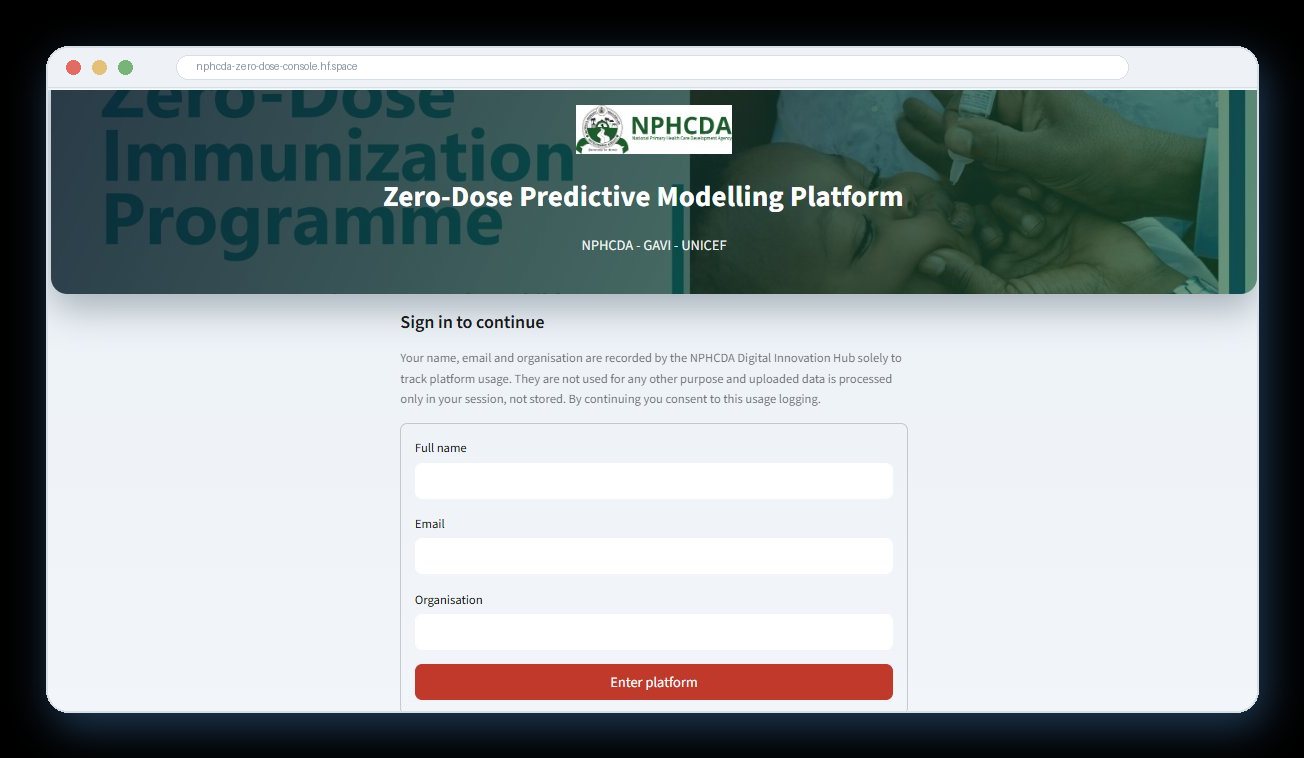
The NPHCDA Zero-Dose Predictive Modelling Platform sign-in screen

7

languages and more: English, French, Hausa, Yoruba, Igbo, Pidgin, Swahili

The Zero-dose Analytics and Risk Assistant answers plain-language questions using only the live model outputs, cites uploaded documents by page, and is instructed never to invent a number.

It sits inside a no-code platform that re-runs every model on newly uploaded data, owned and operated by the agency that uses it.

Questions in, decisions out.

A programme does not need a model. It needs an answer it can act on this quarter, with the uncertainty stated and the working shown. Each question below is one our models answer for the teams who commissioned them.

  1. Where will coverage slip next quarter? Early-warning flags by district.
  2. Which areas should we reach first? A ranked list with 95% intervals.
  3. Who is likely to stop treatment? Retention risk by patient group.
  4. Where will HIV testing find the most cases? Four-quarter targets by site.
  5. Why does this region lag behind? Regional drivers, mapped.
  6. What should the minister read? A two-page brief, every number sourced.

Forthcoming study

For the National Primary Health Care Development Agency, with UNICEF and Gavi, we built Nigeria's first national predictive model of zero-dose children, for every local government area, and handed it over as a platform the agency runs.

The findings will be released shortly. The full study, its methods and an interactive map will appear here at that point.

Ask to hear when it is released

Selected engagements

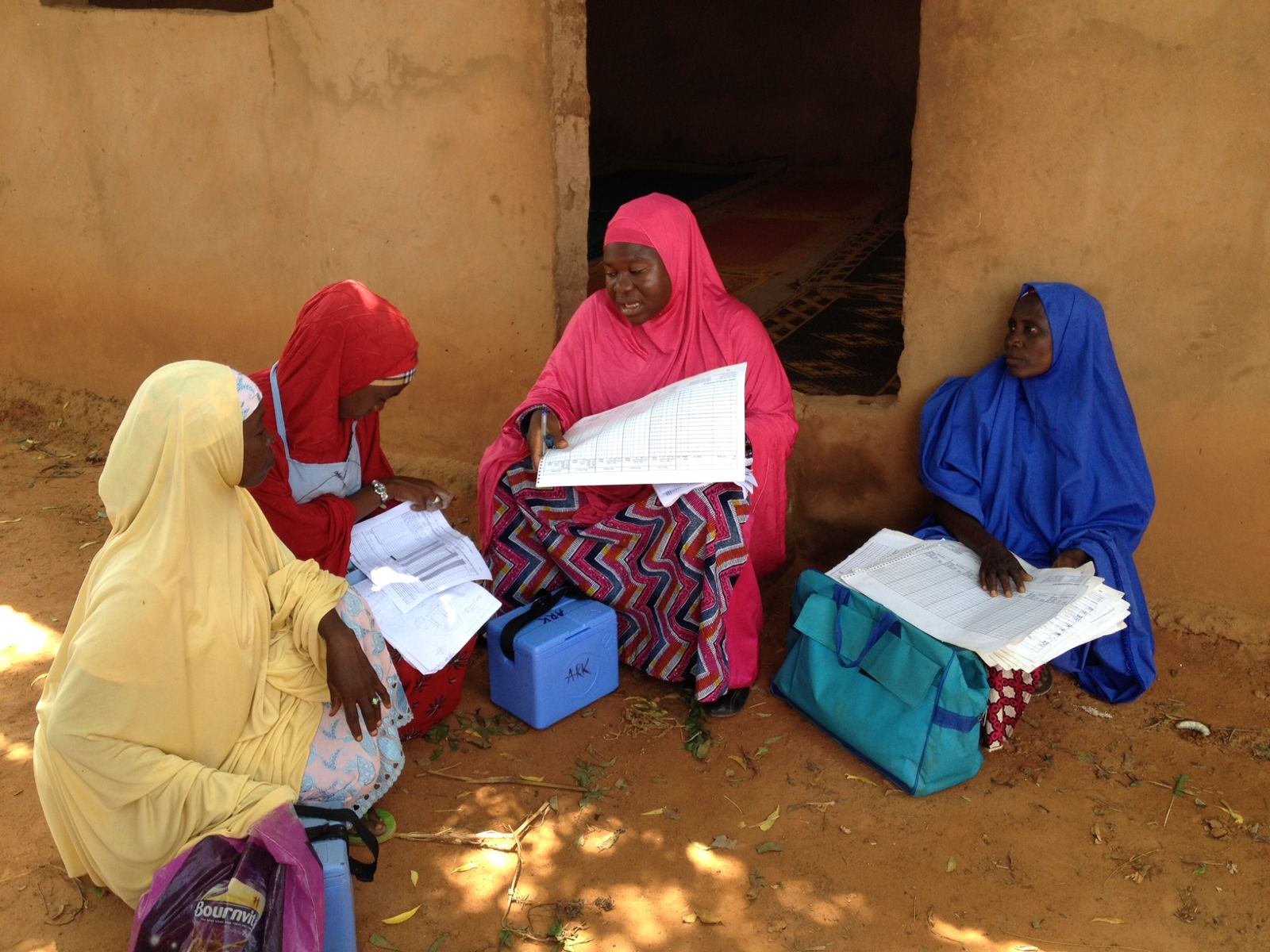
Health workers seated outside a building, reviewing microplanning sheets for an immunisation round
Oral polio vaccination in a rural community

Zero-dose children, Nigeria

NPHCDA with UNICEF and Gavi, January to July 2026. A national predictive model of zero-dose children for every local government area, handed over as a platform the agency runs. Findings will be released shortly.

About the engagement

8,871

health facilities tracked on 27 harmonised indicators, from DHIS2 extraction to decision dashboards

Mothers and infants seated at a primary health centre in Nasarawa State during an immunisation session

Integrated analytics, UNICEF

An end-to-end pipeline from DHIS2 to multilevel models and dashboards across maternal and child health, HIV, immunisation and nutrition, for the AHEAD programme, with multilevel models that show whether a gap sits at the facility, the district or the national level.

All engagements

15%

more service uptake in Tanzania after geospatial targeting redirected effort to high-yield areas

A field epidemiology resident and two data collectors climbing down a steep, eroded hillside

Walter Reed programme, HJF

Quality metrics, analysis and scientific reporting for the Walter Reed Army Institute of Research environment across five countries, 2022 to 2025. In Tanzania, Lasso regression and geographically weighted regression across all 31 regions showed that HIV drivers differ by region, so prevention and case finding should too.

All engagements

Commissioned and funded by

  • NPHCDA
  • UNICEF
  • Gavi
  • USAID
  • PEPFAR
  • Henry Jackson Foundation
  • Walter Reed Program
  • Makerere University

Publishedand recognised.

YearWorkWhereRecognition
2026AlignInsight: detecting deceptive alignment in healthcare AImedRxivPreprint
Paediatric HIV hotspots in Kenya: machine learning and geostatisticsmedRxiv, 2026Preprint
2025Forecasting inequity: paediatric HIV treatment gaps in NigeriaPreprints with The Lancet, SSRNPreprint
Loss to follow-up on ART: cluster analysis with unsupervised machine learningHIV: Current Research 10:425Peer reviewed
2024HIV Vaccine Awareness Day symposiumWalter Reed Army Institute of ResearchBest oral presentation
25th International AIDS Conference, MunichInternational AIDS SocietyPresentation award
2023Bayesian estimation of HIV prevalence and burden in NigeriaEClinicalMedicine 62:102098Used by PEPFAR and NACA
New Investigator ScholarshipCROI 2023, SeattleScholarship
2022Case finding through community-led index partner testingEClinicalMedicine 43:101265Peer reviewed
Survival analysis of retention on antiretroviral therapyCROI 2022Presentation
U.S. Embassy Eagle Awards (2017, 2019, 2021, 2022)U.S. Embassy NigeriaAwards
2021Geographical disparities in HIV among key populationsJMIR Public Health and SurveillancePeer reviewed
COVID-19 infection fatality rate for 48 African countriesBioMed 1:63–79Peer reviewed
2020Swiss National Science Foundation grant 320030_192452, CHF 1,008,000University of GenevaResearch grant

All research and preprints

About the founder

Silver Spring, MarylandQuantium Insights LLC

Makurdi, Benue StateQuantium Insights Nig Limited, Nigerian affiliate

EmailDirect to the principal

Dr Amobi Andrew Onovo founded Quantium Insights after fifteen years directing evidence toward resource decisions across sub-Saharan Africa: Principal Investigator of Nigeria's national zero-dose modelling programme, Technical Director at the Henry Jackson Foundation in the Walter Reed research environment, and Activity Manager for a $15 million USAID-PEPFAR agreement.

He holds a PhD in global health (Bayesian and spatial modelling) from the University of Geneva, an MPH in epidemiology and a postgraduate diploma in data science from UT Austin, and he has trained government and partner analysts in five countries. More about the practice.

A vaccinator gives drops to a small child outside a house while two women look on
A health worker marks the finger of a vaccinated child held by its mother
The rooftops of Kano seen from Dala Hill

Start a conversation

Have a question your data cannot answer yet? Tell us the decision you need to make.

We take on a small number of engagements at a time, and we say early and plainly whether the available data can support the question.